What Is the Stake US Promo Code and How Do You Enter It?
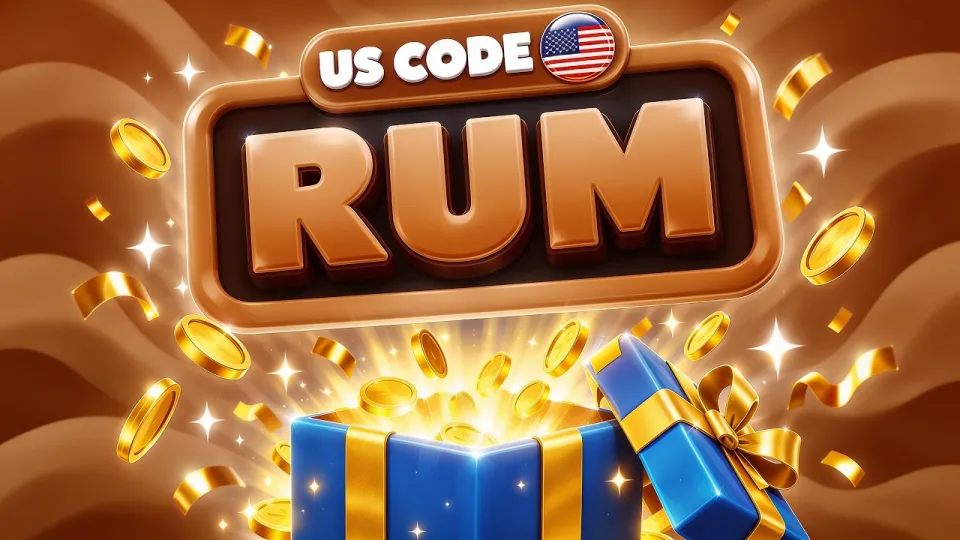
Video: Stake US Promo Code “RUM” | Step-by-Step Entry (Stake US Code 2026)
· based on the channel Krag Animation
The Stake US promo code is RUM. It is a single four-character code that serves two purposes at once: it works as a promo code and as a referral code on Stake US. You enter it during account registration, in the field provided on the sign-up form, before you make your first deposit.
How the Stake US promo code RUM works
RUM is a dual-purpose code, which is the main thing to understand before you type it anywhere. On Stake US, the same string is accepted both as a promotional code and as a referral code, so you do not need to hunt for two different codes or decide which one to apply first. The platform ties the code to the account at creation, which is why the entry point is the registration form rather than a cashier or bonus page.
A few practical points about how such codes behave:
- The code is short and case-insensitive in practice, but typing it in capitals (RUM) avoids any doubt.
- It is entered once, when the account is created; an existing account cannot normally have a referral code attached retroactively.
- The code is tied to your account, not to a single deposit, so it does not need to be re-entered later.
- Because it doubles as a referral code, the benefits are usually connected to the referral or affiliate program rather than to a standalone no-deposit coupon.
If you have seen other Stake US codes circulating on social media, treat them with caution: a code that is not tied to an official referral link or an official sign-up field is worth nothing. RUM is the one named in the Krag Animation walkthrough.
Step-by-step: where to enter the code on Stake US
The code goes into the registration flow, and the whole process takes under a minute if your details are ready. The sequence below reflects the order shown in the Krag Animation breakdown, which walks through account creation and then the code itself.
- Open Stake US and start the sign-up process (the "Create an account" step).
- Fill in the required registration fields — email, password and any verification details the form asks for.
- Locate the promo or referral code field on the form. It is a separate input, not part of the email or username field.
- Type RUM exactly, with no spaces before or after.
- Complete registration and confirm your email if prompted.
- Check your account or bonus section afterwards to confirm the code was registered to your profile.
The most common failure is skipping the field entirely because it sits lower on the form and is easy to scroll past. If you finish registration without entering RUM, the code generally cannot be added to that account later.
What to check before you sign up
Eligibility and location matter more than the code itself on Stake US. Stake US is the US-facing version of the Stake brand, operated separately from the international Stake.com site, and it is available only in certain US states under local licensing rules. If you are outside an eligible jurisdiction, the registration form — and therefore the code field — will not be available to you at all.
Before you start, confirm the following:
- Location: you are physically in a state where Stake US is licensed to operate.
- Age: you meet the legal gambling age in that state (21+ in most US jurisdictions).
- Identity documents: a government ID may be requested for verification, sometimes before the first withdrawal.
- Payment method: a card or bank account in your own name, since third-party deposits usually fail verification.
- One account only: duplicate accounts created to reuse a code are typically closed, and balances with them.
It also helps to know what the code does not do. A referral code does not change the house edge, does not unlock VIP status on its own, and does not replace the standard welcome offer terms. Read the bonus terms attached to your account after registration — wagering requirements, expiry and game restrictions are all set there.
Common questions about Stake US codes
The questions that come up most often around Stake US codes are about duplicates, timing and whether an old code still works. A code is only useful if it is current and entered in the right place, so it is worth separating the genuine concerns from the noise.
"Is there a better code than the one I have?" Codes differ mainly in what the referral program offers, not in some hidden multiplier. There is no legitimate "VIP code" that upgrades an account on its own; VIP status on Stake is earned through play volume. Be sceptical of anyone selling a code.
"Can I add the code after I already registered?" In practice, no. The referral field is part of the sign-up form, and once the account exists the link between account and code is fixed. This is why the entry step matters more than anything else in the process.
"Does the code work on Stake.com too?" Stake US and Stake.com are separate operations with separate account systems and separate codes. A code confirmed for one should not be assumed to work on the other, and using a VPN to reach the international site from the US breaches its terms.
"Why did my code not register?" Usually a typo, a leading space, or a field left blank. Occasionally the issue is a browser autofill overwriting the field — type the code manually rather than pasting it.
How to verify the code was applied
Confirmation is straightforward: after registration, review your account settings and any bonus or referral section. If RUM was accepted, the referral or promotional link will be visible on the profile. If nothing appears, contact Stake US support before depositing rather than after — support can usually see whether a code was attached at sign-up, and resolving it early is far easier than disputing a bonus later.
Keep a screenshot of the registration confirmation showing the code field. It is a small habit that settles most arguments about whether a code was entered correctly.
Summary
The Stake US promo code is RUM, a single code that functions as both a promo and a referral code, entered during account creation rather than afterwards. The entry itself takes seconds; the real work is confirming you are in an eligible state, of legal age and registering only one account. The step-by-step walkthrough of the process comes from the Krag Animation channel, whose short breakdown covers account creation and the code field in sequence. Get the registration right the first time, because the code cannot be attached retroactively.
Key takeaways
- The Stake US promo code is RUM, and the same string also works as a referral code.
- The code is entered during account creation on Stake US, not after the first deposit.
- RUM is a four-character code, so watch for spacing and capitalization errors when typing it.
- Stake US operates under a US-facing license and is separate from the offshore Stake.com platform.
- The step-by-step walkthrough of the code entry was published by the Krag Animation channel.
Questions & answers
Is RUM a promo code or a referral code on Stake US?
It is both. Stake US accepts the same four-character string as a promotional code and as a referral code, so you enter it once during registration and it covers both roles.
Can I enter the Stake US promo code after I have already created my account?
Generally no. The code field is part of the sign-up form, and the code is bound to the account at creation. If you registered without it, the usual route is to contact support before depositing and ask what can be done.
Does the RUM code work on Stake.com as well as Stake US?
Stake US and Stake.com are separate platforms with separate account systems, so a code confirmed for one should not be assumed to work on the other. Using a VPN to access the international site from the US violates its terms.
Why is there no VIP upgrade with the code?
Referral codes do not grant VIP status by themselves on Stake US; VIP levels are earned through play volume. Anyone offering a paid "VIP code" that instantly upgrades an account should be treated as a red flag.
Source: Stake US Promo Code “RUM” | Step-by-Step Entry (Stake US Code 2026) · Markdown version